


Why Finding the Right Tax Preparer Matters
Tax preparers in my area can be the difference between a smooth filing season and a stressful audit. Whether you're a business owner navigating complex deductions, a family dealing with a major life change, or someone simply overwhelmed by forms, the right professional makes all the difference.
Quick Answer: How to Find Tax Preparers in Your Area
- Search the IRS Directory - Find preparers with verified credentials at irs.gov
- Check Professional Organizations - Look for CPAs, Enrolled Agents, or NATP members
- Review BBB Ratings - Verify reputation and accreditation status
- Verify Credentials - Confirm they have a valid PTIN (Preparer Tax Identification Number)
- Ask About Experience - Ensure they handle your specific tax situation
Here's the reality: anyone with a Preparer Tax Identification Number (PTIN) can legally prepare your tax return. That's right - there's no federal requirement for education, certification, or even experience beyond having that number.
This means the person handling your financial life could have decades of expertise... or could have just gotten their PTIN last week.
With roughly 100,000 to 1,000,000 preparers listed in the IRS directory, finding the right one takes more than a quick Google search. You need to know what credentials actually mean, which questions to ask, and what red flags to avoid.
One in three older adults struggle to meet their basic needs - and unexpected tax problems only make that harder. The wrong preparer can cost you money through missed deductions, or worse, land you in hot water with the IRS through errors or fraud.
The good news? With the right approach, you can find a qualified professional who understands your unique situation and helps you keep more of what you've earned.
When to Hire a Tax Pro
Let's be honest: for some, filing taxes is as simple as plugging a W-2 into a software program. But for many others, tax season brings a unique blend of dread and confusion. So, how do you know when it's time to call in the cavalry – a professional tax preparer?

We often advise our clients that while DIY tax filing might save a few dollars upfront, the peace of mind and potential savings from professional expertise can be priceless. You should consider hiring a tax preparation company when you are short on time, feel overwhelmed by filing on your own, have a complicated tax situation, or lack confidence in understanding the tax implications of your financial activities.
Here are some common scenarios where bringing in a professional can make a world of difference:
- Complex Tax Situations: If your financial life resembles a spaghetti bowl rather than a neat spreadsheet, a professional can untangle it. This includes situations with multiple income streams, extensive deductions, or unique tax credits.
- Self-Employed Individuals and Business Owners: Running a business in San Diego, CA, or anywhere in California, comes with its own set of tax challenges. From tracking expenses and understanding quarterly taxes to navigating payroll and specific industry deductions, a tax preparer specializing in business taxes can save you significant time and money. Those who are self-employed or business owners would most benefit from hiring a tax professional.
- Major Life Events: Did you get married, divorced, buy or sell a home, have a child, or inherit assets? These significant life changes have profound tax implications. A professional can ensure you're taking advantage of every new deduction or credit available and accurately reporting changes. If you bought or sold a home, you’d benefit from professional help.
- Investment Income: Dealing with stocks, bonds, cryptocurrency, or rental properties? Capital gains, losses, and various investment income types can be incredibly complex. A tax preparer can help optimize your investment-related taxes. Those preparing to sell a large amount of stocks or assets also benefit significantly.
- Maximizing Deductions: A skilled preparer knows the tax code inside and out, often identifying deductions and credits you might overlook. This is especially true for individuals who financially support someone else (claim dependents), as they often have opportunities for significant savings.
At Legacy Park Advisors, we focus on proactive, custom tax planning strategies, ensuring that whether you're an individual, family, or business, your unique situation is handled with expertise. Our collaborative approach helps secure and grow your financial legacy, taking the guesswork out of complex tax scenarios.
Understanding the Different Types of Tax Preparers
When you start looking for tax preparers in my area, you'll quickly find that not all preparers are created equal. As we mentioned, anyone with a Preparer Tax Identification Number (PTIN) can prepare a tax return for a client. However, tax return preparers have differing levels of skills, education, and expertise. Understanding these distinctions is crucial for choosing the right professional for your needs.
Here's a breakdown of the main types of tax preparers you might encounter:
| Preparer Type | Credentials | Representation Rights | Best Use Cases |
|---|---|---|---|
| Certified Public Accountant (CPA) | State-licensed (e.g., California Board of Accountancy), passed Uniform CPA Exam. | Unlimited rights to represent taxpayers before the IRS (audits, appeals, collections). | Complex tax situations, business tax planning, financial planning, auditing, business consulting, estate planning, international tax. |
| Enrolled Agent (EA) | Federally licensed by the IRS, passed a comprehensive exam covering all tax code. | Unlimited rights to represent taxpayers before the IRS (audits, appeals, collections). | Tax specialists, particularly strong in IRS representation, audits, and appeals. Often focus on business-related tax preparations. |
| Annual Filing Season Program (AFSP) Participant | IRS-issued Record of Completion after completing 18 hours of continuing education. | Limited representation rights: can represent taxpayers only before revenue agents, customer service representatives, and similar IRS employees for returns they prepared. Cannot represent taxpayers in appeals or collection divisions. | Basic to moderately complex individual tax returns. |
| Non-Credentialed Preparer with PTIN | Only holds an IRS-issued Preparer Tax Identification Number (PTIN). | No representation rights. | Simple tax returns with no complex issues. Cannot represent clients before the IRS in any capacity beyond preparing the return. |
Learn more about tax professional credentials
Certified Public Accountants (CPAs)
CPAs are state-licensed accounting professionals. In California, they are licensed by the California Board of Accountancy. This license signifies a high level of education, rigorous examination, and adherence to strict ethical standards. CPAs possess broad financial expertise that extends far beyond just tax preparation. They are well-equipped to handle complex tax situations, offer insightful business consulting, and provide comprehensive financial planning.
At Legacy Park Advisors, our team includes CPAs who specialize in proactive, custom tax planning strategies for individuals, families, and businesses. We leverage our expertise to help you steer intricate tax laws, minimize liabilities, and secure your financial legacy. Our collaborative, client-centric approach ensures you receive comprehensive advice, not just tax filing.
Enrolled Agents (EAs)
Enrolled Agents are federally licensed tax practitioners who specialize in taxation. They are authorized by the U.S. Department of the Treasury to represent taxpayers before the IRS for audits, appeals, and collections. To become an EA, individuals must pass a comprehensive three-part IRS examination covering all aspects of taxation. This federal license means they can practice in any state, including California.
EAs are tax specialists, making them excellent choices for clients who need strong IRS representation or have very specific tax questions. While the research notes that Enrolled Agents typically focus on business-related tax preparations, their expertise spans all types of tax issues. If you anticipate needing robust IRS representation, an EA is an excellent choice.
Annual Filing Season Program (AFSP) Participants
The Annual Filing Season Program (AFSP) is a voluntary program offered by the IRS for non-credentialed tax preparers. Participants complete 18 hours of IRS-approved continuing education each year, including a federal tax law refresher course and ethics. Upon completion, they receive an Annual Filing Season Program Record of Completion.
While AFSP participants have demonstrated a commitment to continuing education, their representation rights are limited. They can only represent taxpayers before revenue agents, customer service representatives, and similar IRS employees for returns they prepared. They cannot represent clients in IRS appeals or collection divisions. This makes them suitable for relatively straightforward tax returns but less ideal for complex issues or potential audits requiring deeper representation.
How to Find Qualified Tax Preparers in My Area
Finding a qualified tax preparer can feel like searching for a needle in a haystack, especially when you're looking for tax preparers in my area like San Diego, CA, or elsewhere in California. However, with the right tools and a bit of due diligence, you can confidently locate a professional who meets your needs.
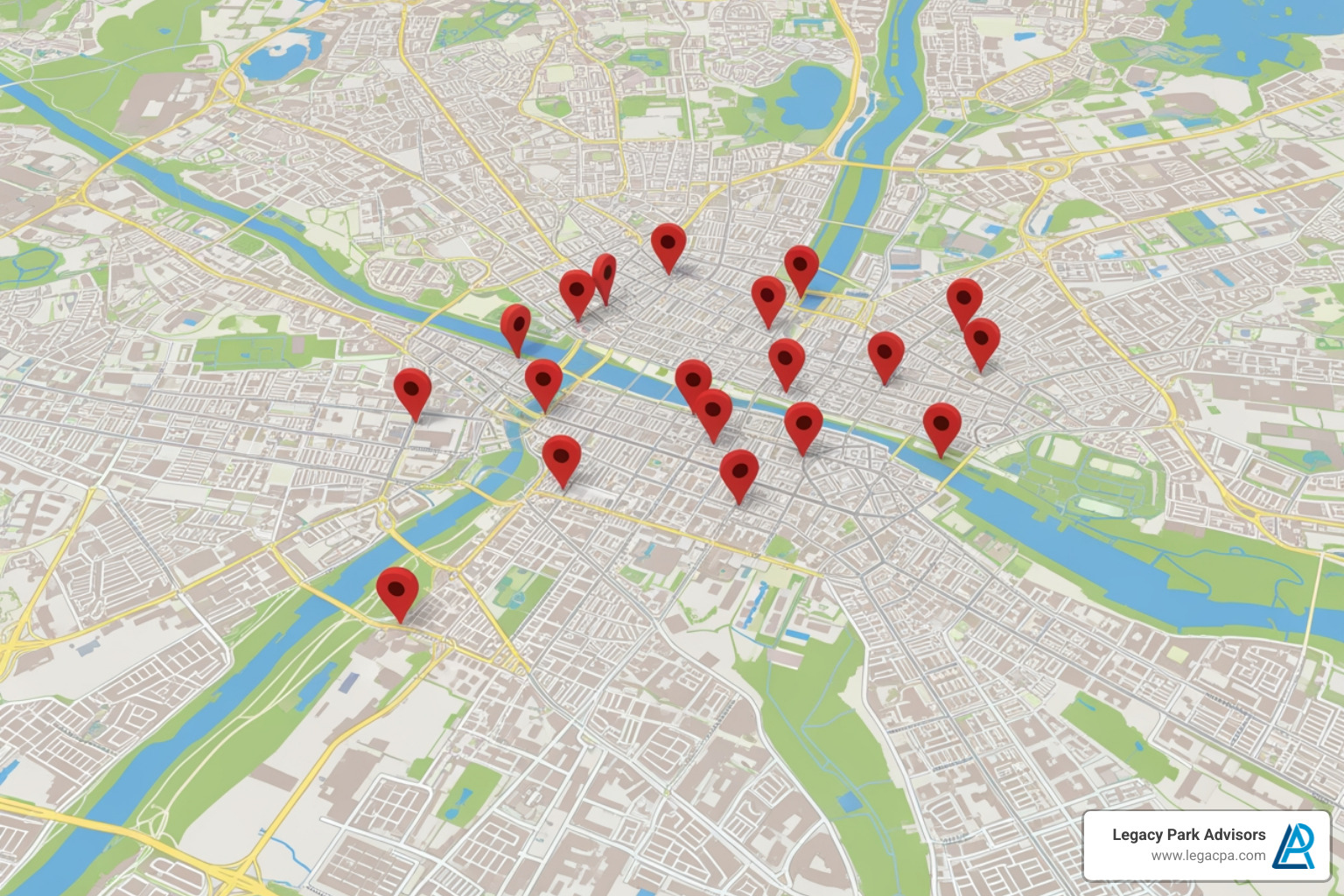
The key is to use trusted resources for your search and to always verify credentials.
Use Trusted Directories and Local Listings
Several reliable directories can help you pinpoint qualified tax preparers close to home:
- IRS Directory of Federal Tax Return Preparers: This is your first stop. The IRS maintains a searchable directory of federal tax return preparers with credentials and select qualifications. This tool helps you find preparers in your area who currently hold professional credentials recognized by the IRS (like CPAs and EAs) or who hold an Annual Filing Season Program Record of Completion. The directory is updated regularly and contains a substantial number of records, ensuring you have a broad list of qualified individuals to choose from.
- Professional Organization Directories: Many professional bodies, such as the National Association of Tax Professionals (NATP), offer "Find a Preparer" tools. NATP members assist approximately 10 million clients and average over 33 years of tax preparation experience, indicating a high level of expertise and dedication.
- Better Business Bureau (BBB): The BBB website offers a "Tax return preparation near you" search function. While not a credentialing body, the BBB provides valuable insights into a business's reputation, customer service, and complaint history.
When using these directories, remember to filter by location (e.g., San Diego, CA, or your specific California zip code) to narrow down your search to tax preparers in my area.
For those seeking comprehensive tax advisory services, we invite you to contact Legacy Park Advisors. We are dedicated to serving individuals, families, and businesses in San Diego and across California, offering local expertise with a client-centric approach.
Check Professional Organization Memberships
Membership in reputable professional organizations is a strong indicator of a preparer's commitment to ethical practices and ongoing education. Beyond the NATP, look for preparers who are members of:
- American Institute of Certified Public Accountants (AICPA): For CPAs, this is a premier professional organization.
- National Association of Enrolled Agents (NAEA): For Enrolled Agents, this organization provides extensive resources and advocacy.
- California Society of CPAs (CalCPA): A state-specific organization for CPAs practicing in California.
These organizations often have codes of conduct their members must adhere to, providing an extra layer of assurance. Checking these memberships can give you confidence that your chosen professional stays current with tax laws and maintains high professional standards.
Review Local Business Ratings
Once you have a shortlist of potential tax preparers in my area, take the time to review their local business ratings and customer feedback.
The Better Business Bureau (BBB) is an excellent resource for this. BBB Accredited businesses have been screened by the BBB and are held to higher standards for customer service, transparency, and ethical business practices. Their ratings, ranging from A+ to F, can give you a quick snapshot of a business's reliability. For example, while some firms might boast an A+ BBB rating, others might have a C+ BBB rating, indicating areas for improvement or past customer complaints. A "No Rating" can simply mean insufficient information or that the business is still under review.
Look for patterns in reviews – positive comments about responsiveness, accuracy, and clear communication are good signs. Conversely, repeated complaints about hidden fees, missed deadlines, or poor communication should raise a red flag. This step is crucial for gauging the practical experience and customer satisfaction levels of tax preparers in my area.
Vetting Your Choices: Credentials, Costs, and Key Questions
Alright, you've done your homework and have a few potential tax preparers in my area on your radar. Now comes the critical step: vetting them thoroughly. This is where you move from a list of names to finding your trusted advisor.
Making the final decision involves a combination of verifying credentials, understanding their fee structure, and asking the right questions to ensure they're the perfect fit for your unique financial situation.
How to Verify Credentials and Qualifications
Never take a preparer's word for their credentials. Always verify. This is a crucial step to protect yourself from unqualified or unscrupulous individuals.
- Check for a Valid PTIN: As we've learned, every paid tax preparer must have a valid Preparer Tax Identification Number (PTIN). Ask for it, and if you have doubts, the IRS can confirm its validity.
- Use the IRS Directory: The IRS Directory of Federal Tax Return Preparers is your go-to resource. It allows you to search for preparers by name or location and verify their credentials (CPA, EA) or AFSP status. This directory is updated regularly, so you can be confident in the information.
- State Licensing Boards: For CPAs, verify their license status with the California Board of Accountancy. This ensures their license is active and they haven't faced any disciplinary actions.
- Professional Organization Websites: If a preparer claims membership in an organization like the AICPA or NAEA, visit that organization's website to confirm their membership status.
The IRS even provides guidance on this! Watch the IRS guide on choosing a preparer to get more tips directly from the source.
Understanding the Costs of Hiring a Tax Preparer in My Area
Cost is, understandably, a significant factor when choosing a tax preparer. Fees can vary widely based on the preparer's credentials, experience, the complexity of your return, and even your geographic location (hello, San Diego!).
Common fee structures include:
- Hourly Rates: Some preparers charge an hourly rate, especially for complex situations or ongoing tax planning.
- Flat-Fee Services: Many offer a flat fee per tax return, with prices varying based on the forms required (e.g., a higher fee for Schedule C for self-employment).
- Per-Form Pricing: This model charges a set amount for each tax form needed for your return.
A crucial piece of advice: Always ask about fees upfront. A reputable preparer will be transparent about their pricing structure before they begin work. Be wary of any preparer who bases their fee on a percentage of your refund. This practice can incentivize fraudulent claims or aggressive interpretations of tax law to inflate your refund and, consequently, their fee. At Legacy Park Advisors, we believe in transparent pricing and a client-centric approach, ensuring you understand the value you receive for our proactive tax advisory services.
Top 10 Questions to Ask a Potential Preparer
Don't be shy! Interviewing a potential tax preparer is essential. Here are the top 10 questions we recommend asking to ensure you find the right fit among tax preparers in my area:
- What are your credentials (CPA, EA, AFSP) and how long have you been preparing taxes? (NATP members, for example, average over 33 years of experience.)
- Do you have experience with my specific tax situation? (e.g., self-employment, investments, rental properties, major life changes).
- How do you calculate your fees, and what is your estimated cost for my return? (No surprises!)
- Do you offer e-filing? (Most reputable preparers do, as it's faster and more secure.)
- Are you available year-round for questions or tax planning advice, or only during tax season? (This is crucial for proactive planning.)
- What happens if my return is audited? Do you offer audit support or representation? (And is that included in the fee or an additional service?)
- How do you ensure the security and confidentiality of my personal and financial information?
- Will you sign my tax return and provide me with a copy? (A legal requirement for paid preparers.)
- Can you provide references from other clients with similar tax profiles?
- What is your process for reviewing my documents and ensuring accuracy?
Asking these questions will not only help you assess their qualifications but also give you a feel for their communication style and overall professionalism.
Preparing for Your Appointment and Avoiding Risks
Once you've chosen a tax preparer, the ball is back in your court for a moment. Your role in the process is to provide accurate and complete information. Being prepared for your appointment is crucial for a smooth and efficient tax filing experience.
Your Tax Preparation Checklist
Gathering all your documents beforehand saves time and ensures accuracy. Here's a general checklist of what your tax preparer will likely need:
- Personal Information: Social Security numbers (for yourself, spouse, and dependents), dates of birth.
- Income Documents: W-2 forms (from employers), 1099 forms (for independent contractors, interest, dividends, retirement distributions), K-1 forms (from partnerships/S-corps).
- Deduction & Credit Information:
- Itemized Deductions: Medical expenses, state and local taxes paid, mortgage interest statements (Form 1098), charitable contributions, property taxes.
- Business Expenses: Receipts, mileage logs, home office expenses (if self-employed).
- Education Expenses: Form 1098-T, student loan interest statements (Form 1098-E).
- Child Care Costs: Provider's name, address, and EIN/SSN.
- Retirement Contributions: IRA contributions.
- Investment Information: Records of stock sales, cryptocurrency transactions, mutual fund statements.
- Prior Year's Tax Return: A copy of your previous year's federal and state returns.
- Bank Account Information: For direct deposit of refunds or direct debit of taxes due.
Organizing these documents will not only make your preparer happy but also help ensure no deductions or income sources are missed.
Services to Expect Beyond Filing
A great tax preparer, especially a tax advisory firm like Legacy Park Advisors, offers much more than just filling out forms. You should expect comprehensive services that extend beyond simply e-filing your annual return.
- E-filing: This is standard practice. Your preparer should offer electronic filing, which is typically faster and more secure than mailing paper returns.
- Tax Planning: This is where proactive preparers truly shine. They'll look beyond the current tax year to help you strategize for future financial goals, minimize future tax liabilities, and make informed decisions about investments, retirement, and major purchases. This aligns perfectly with our focus at Legacy Park Advisors on proactive, custom tax planning strategies.
- Year-Round Advice: Your financial life doesn't stop after April 15th. A good preparer is available year-round to answer questions, advise on financial decisions, and help you adjust to life changes that may impact your taxes.
- Audit Representation: In the unfortunate event of an IRS audit, a qualified preparer (especially a CPA or EA) can represent you before the IRS, saving you stress and potentially mitigating unfavorable outcomes.
At Legacy Park Advisors, our collaborative, client-centric approach means we're focused on securing and growing your financial legacies through continuous support and expert guidance.
Red Flags and Risks of Choosing the Wrong Tax Preparer in My Area
Even with all your careful vetting, remain vigilant. Choosing the wrong tax preparer can lead to costly errors, penalties, or even legal trouble. Tax return preparer fraud is among the list of common tax scams, so you need to be aware.
Here are some red flags and risks to watch out for when seeking tax preparers in my area:
- "Ghost" Preparers: These preparers don't sign the tax returns they prepare. They might print the return and tell you to sign it and mail it in, but they won't put their name or PTIN on it. This is a huge red flag and illegal for paid preparers. Avoid unethical "ghost" return preparers at all costs.
- Unrealistic Refund Promises: Be extremely skeptical of any preparer who guarantees a large refund before even looking at your documents, or who promises a bigger refund than others. This is a common tactic used by fraudulent preparers to lure clients.
- Fees Based on a Percentage of Refund: As mentioned earlier, this practice can incentivize preparers to inflate deductions or income to boost your refund, which could lead to an audit and penalties for you.
- Refusal to Provide a Copy of Your Return: You are legally entitled to a signed copy of your tax return for your records. If a preparer refuses, walk away.
- Asking You to Sign a Blank Return: Never, ever sign a blank tax return. You are ultimately responsible for the information on your return, even if a preparer fills it out.
- Lack of Credentials or Verification: If you can't verify their PTIN, state license (for CPAs), or professional organization memberships, they might not be legitimate or qualified.
If you have been financially impacted by a tax return preparer's misconduct or improper tax preparation practices, the IRS provides ways to make a complaint. The IRS is committed to investigating paid tax return preparers who act improperly.
Conclusion
Finding the right tax preparers in my area for your unique needs, whether in San Diego, CA, or anywhere across California, is a crucial step toward financial peace of mind. As we've explored, it involves understanding the different types of professionals, leveraging trusted directories, verifying credentials, asking the right questions, and being aware of potential red flags.
Your tax preparer should be more than just someone who fills out forms; they should be a trusted advisor who helps you steer the complexities of the tax code, maximize your savings, and plan for your financial future. With over 100,000 preparers in the IRS directory, taking the time to choose wisely can truly make all the difference.
At Legacy Park Advisors, we pride ourselves on being that trusted partner. Our team is dedicated to providing proactive, custom tax planning strategies to individuals, families, and businesses. We believe in a collaborative, client-centric approach focused on securing and growing your financial legacies. Don't let tax season be a source of stress; empower yourself with the right professional guidance.
Explore our proactive tax advisory services and let us help you secure your financial future.
The information contained in this blog is provided for general informational purposes only and does not constitute accounting, tax, legal, or investment advice. It is not intended as a substitute for professional advice tailored to your specific circumstances.